
In line with its overarching objectives of physical asset integrity management, enhancement of operational safety, and ensuring the sustainable transmission of hydrocarbon fluids, Marun Oil and Gas Production Company successfully completed a comprehensive and highly complex inspection operation. This project involved a full corrosion inspection and evaluation of the cathodic protection system performance along 40 kilometers of buried pipelines belonging to Marun Oil and Gas Production Company. The operation was successfully carried out by the Pipeline Inspection Team from the Site and Operations Department of Iran Standard & Quality Inspection Company (ISQI).
Announcing the achievement, Mohammad Gholami, Project Manager at ISQI, emphasized its strategic importance, stating: “The primary objective of this project went beyond routine inspection; we pursued an integrated assessment of the infrastructure’s condition in order to proactively manage external corrosion risks based on accurate, data-driven insights.”
Technical Approach: Synergy of Four Advanced Technologies
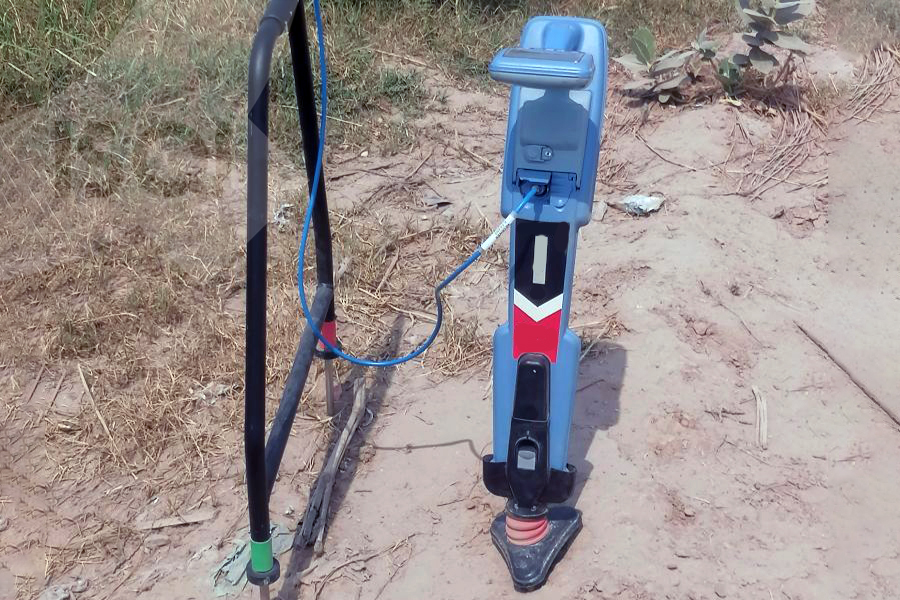
Due to environmental complexities and the sensitivity of the assets involved, the project was executed using a multi-faceted approach aligned with the latest international standards (NACE, ISO, and API). The ISQI team simultaneously applied four advanced techniques to monitor coating conditions and evaluate the effectiveness of the Cathodic Protection (CP) system, including DCVG, PCM, ACVG, and CIP.
According to Mohammad Gholami, the integrated implementation of these four methods enables a comprehensive assessment of external corrosion conditions in pipelines. The resulting analysis leads to the precise and well-documented identification of high-risk locations, correlation of coating defects with cathodic protection attenuation, optimization of excavation and repair programs, reduction of operational and maintenance costs, and enhancement of pipeline safety, stability, and reliability.
Elaborating further, he stated: “When coating data (DCVG/ACVG) are correlated with potential data (PCM/CIP), we gain the capability to identify root causes and perform accurate risk modeling. This integrated analysis provided the necessary documentation for future planning, ensuring that repairs are carried out exclusively at locations with the highest levels of active and potential corrosion risk.”
The successful execution of this project not only further highlighted the specialized capabilities and engineering expertise of Iran Standard & Quality Inspection Company in the fields of pipeline inspection and corrosion management, but also played an effective role in safeguarding national assets and protecting the country’s critical oil and gas infrastructure.