

Automated quality control and inspection are transforming how modern industries ensure product quality, replacing many traditional manual methods that often suffer from variability, human error, and slow speeds. The shift toward automation reflects wider digital transformation in manufacturing and regulated sectors, where meeting high accuracy, compliance, and speed demands is essential for competitiveness and customer trust.
At its core, automated quality control uses technologies such as machine vision, artificial intelligence (AI), machine learning, IoT sensors, robotics, and data analytics to inspect products and processes without direct human intervention. These technologies work together to detect defects more reliably and quickly than manual inspection, with systems capable of identifying issues across visual appearance, dimensions, process parameters, and even predicted failures. Real-time monitoring enables immediate feedback and adjustment within production, moving quality assurance from a final check to an integrated, continuous process.
Industries are adopting automated quality control because it delivers measurable benefits. Systems can inspect products with high accuracy and consistency, eliminating subjectivity and fatigue inherent in human inspection. This reliability supports industries with strict regulatory requirements — such as life sciences, pharmaceuticals, automotive, and electronics — by providing audit trails, traceability, and standardized reporting that align with compliance standards. Although initial investments in automation technology can be significant, long-term advantages include reduced defects, lower rework and recall costs, faster inspection cycles, and stronger customer confidence in product quality.
Automated inspection also enables deeper insights through data analytics. By capturing and analyzing inspection data, manufacturers can identify quality trends, understand root causes of defects, and apply predictive analytics that anticipate issues before they occur. This data‑driven approach supports proactive quality management and continuous improvement, aligning quality control with strategic objectives rather than reactive problem fixing.
Successful implementation of automated quality control typically starts with evaluating existing processes to identify high‑impact areas for improvement. Organizations often begin with pilot programs that integrate sensors, machine vision systems, and analytics platforms, then scale these solutions across production lines. Challenges such as change management, system integration, and data security must be addressed strategically, but with proper planning and support, companies can realize significant operational gains.
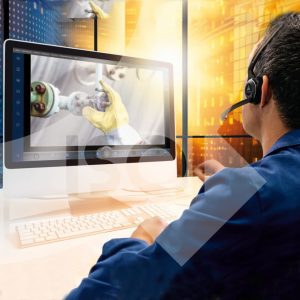
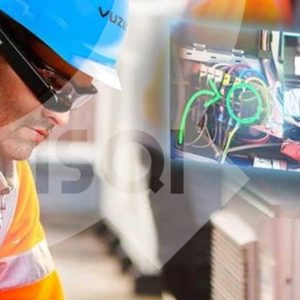
Across diverse sectors, real‑world use cases show how automated quality control systems improve outcomes: from verifying packaging and assembly integrity to inspecting intricate electronic components or ensuring compliance in life‑critical products. Looking ahead, trends such as predictive quality management, cloud‑based inspection platforms, and augmented reality for remote inspections are expected to further enhance the capabilities and accessibility of automated quality systems.
In summary, automated quality control and inspection are now key components of modern manufacturing and quality strategies. By combining advanced technologies for real‑time inspection, intelligent analysis, and integrated data flows, these systems drive higher quality, efficiency, compliance, and business value compared with traditional manual approaches.
Source: Qualityze