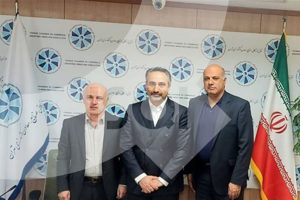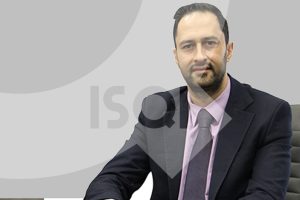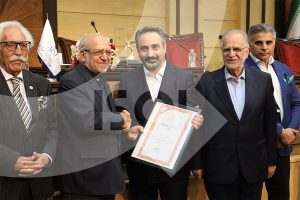

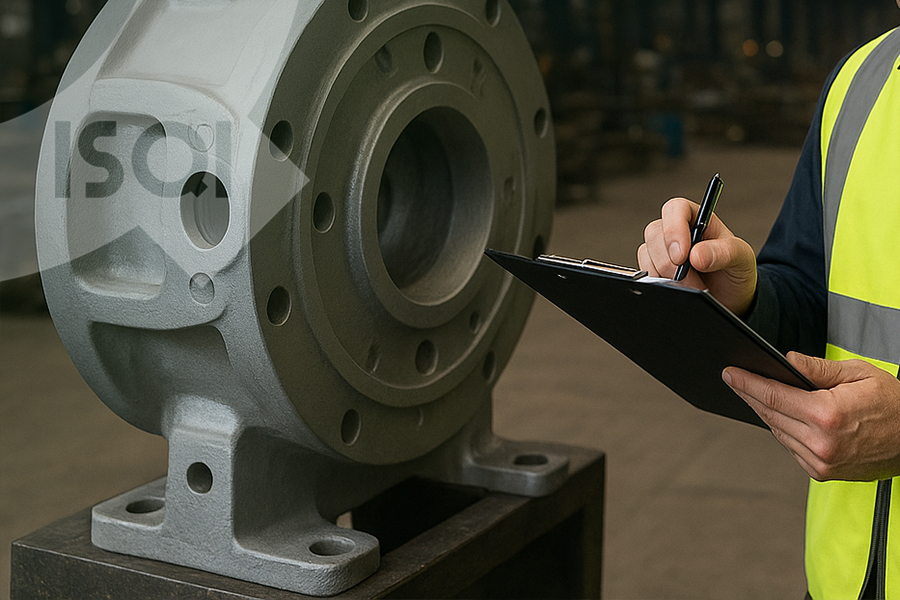
Behnam Lotfi, Technical Inspection Manager at Iran Standard and Quality Inspection Co. (ISQI), emphasized the importance of fabrication inspection as the first line of defense for industries—especially oil and gas inspection sectors—against catastrophic mistakes.
Lotfi stated that fabrication/manufacturing inspection is one of the critical stages in the lifecycle of industrial equipment, noting:
“This process plays a significant role in ensuring the quality and operational safety of equipment.”
He added:
“In industries such as oil, gas, petrochemical, power generation, steel, and infrastructure projects, industrial equipment is considered the heart of production. Therefore, precise quality control and fabrication inspection at this stage are not optional—they are essential requirements.”
Referring to the key objectives of such inspections, Lotfi explained:
“These inspections serve multiple purposes, including verifying product compliance with standards, codes, and technical specifications; ensuring proper performance of equipment under real operating conditions; and maintaining consistent quality across all components and production series—objectives that are primarily technical in nature.”
He also pointed out the economic and managerial benefits of these inspections:
“Detecting defects at early stages and reducing rework costs, preventing production stoppages due to equipment failures, extending service life, and lowering maintenance expenses are among the economic advantages.
Additionally, from a managerial standpoint, these inspections safeguard the client’s interests through impartial supervision, complete documentation of the fabrication process for contractual and legal reference, and prevention of disputes between client and contractor.”
The ISQI Industrial Inspection Manager further discussed the challenges and risks of fabrication inspection:
“There are fundamental challenges in this field, and neglecting them can lead to serious defects and hazards. Technical risks may arise from poor-quality raw materials, welding or casting defects, or manufacturing flaws. Other risks include time pressures, shortage of qualified inspectors in certain regions, lack of cooperation from the fabricator, omission or shortening of tests, and poor reporting—all of which can have devastating consequences.
Environmental factors such as inappropriate temperature and humidity conditions, low workshop safety, and transportation limitations should also be considered as operational risks.”
In conclusion, Lotfi strongly emphasized the need to enhance quality and safety:
“The technical inspection of industrial equipment during the fabrication stage should be regarded as the main pillar of quality control, safety, and equipment reliability. Proper, systematic execution of this process not only reduces operational risks but also extends equipment lifespan and increases client satisfaction.”
He added:
“In large industrial projects, fabrication inspection is not an auxiliary activity—it is a strategic necessity. Ignoring it can lead not only to financial losses but also to serious safety risks for workers and operators.”