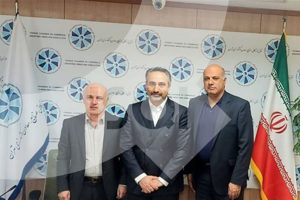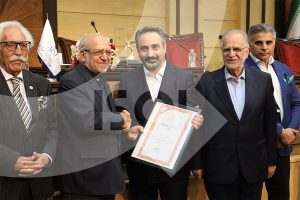

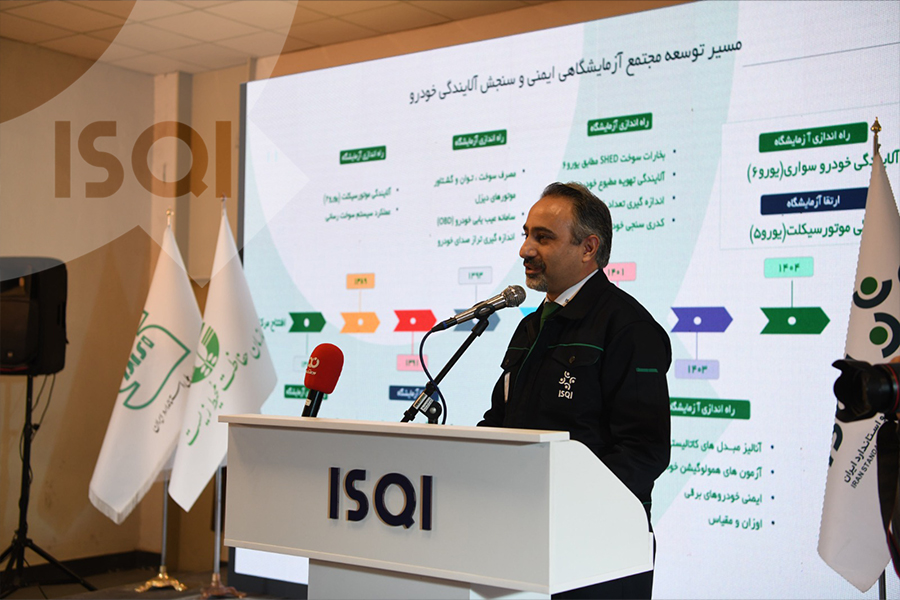
- At a ceremony attended by the President of the Iran National Standards Organization, the President of the Industrial Development and Renovation Organization (IDRO), and several government and automotive industry officials, Iran’s new laboratory for diesel and electric vehicles—known as the Euro 6 Laboratory—was inaugurated. This laboratory has been established to enhance vehicle safety, quality, and emissions performance, marking a significant milestone in the nation’s automotive inspection system.
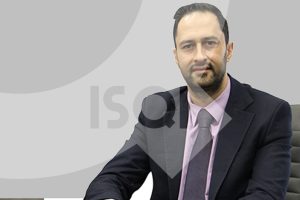
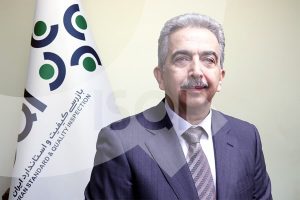
Dr. Saeed Tajik, CEO of the Iran Standards and Quality Inspection Company (ISQI), welcomed the guests and introduced the company’s activities and achievements. He stated: “The Iran Standards and Quality Inspection Company (ISQI), founded in 1989 (1368), now operates with more than 1,626 personnel and an average age of 32. As a young, knowledge-based organization, we provide services in the fields of standards and quality.” He added: “Our goal is to improve safety, quality, and peace of mind in people’s lives. All our efforts are dedicated to serving society and the nation’s industry.”
Dr. Tajik also highlighted the company’s accomplishments, saying: “Over the past year, our company was recognized as a national exemplary exporter, was awarded as Iran’s top service company at the National Quality Festival, and was selected as a top industrial unit in the province. These achievements reflect our colleagues’ continuous efforts and the company’s focus on expanding services and improving standards.”
He continued: “This new laboratory, built with an investment of nearly 3 million euros and supported by the Vice-Presidency for Science, Technology and knowledge-based economy, is the first specialized automotive safety testing laboratory in Iran. Until now, many Euro standard tests—especially for electric and diesel vehicles—were conducted abroad, imposing significant costs on the country. Now, all these tests can be performed domestically, enabling not only compliance with legal requirements but also advanced research and testing for automakers.”
The CEO referred to the development history of ISQI’s vehicle laboratories: “Our laboratory began operations in 2005 (1384) and has expanded over the years by adding tests for fuel consumption, diesel engine power, fuel vapor emissions, air-conditioning systems, and emissions standards. It has now advanced from Euro 5 to the Euro 6 level.”
He also discussed the issue of aging vehicles and their impact on the nation’s economy and environment: “In Iran we have about 7.5 million aging vehicles that consume more fuel than newer models. With an annual mileage of around 20,000 kilometers, these vehicles consume over 7.5 billion dollars of additional fuel each year—equivalent to the electricity-generating capacity of 15,000 megawatts of solar power.”
Dr. Tajik emphasized the importance of strict monitoring of in-use vehicles and emissions standards throughout the vehicle’s lifespan. He stated: “Catalyst systems and standard fuel play a crucial role in reducing emissions, and continuous oversight of automotive inspection centers and in-use vehicles is essential.”
He continued: “The Opening of this laboratory is not only an industrial achievement but also an important step toward protecting the environment and improving people’s quality of life. As the Iran National Standards Organization and ISQI, we are committed to reducing the gap between domestic and international standards—and this path will continue.”
This new laboratory can test two-axle and electric vehicles and offers both mandatory and research-based Euro 6 testing. With the launch of this center, Iran will—for the first time in its automotive history—conduct all vehicle safety and emissions standard tests domestically.
In closing, Dr. Tajik shared a personal reflection: “Our future is in our own hands. We are the makers of Iran, not spectators. Each of us, in any role we hold, must fulfill our true responsibility in upholding Iran’s pride. This is the legacy and philosophy that will endure. With determination and constant effort, we must not only advance the standards and quality of our industry, but also improve the environment, people’s lives, and the country’s future.”