

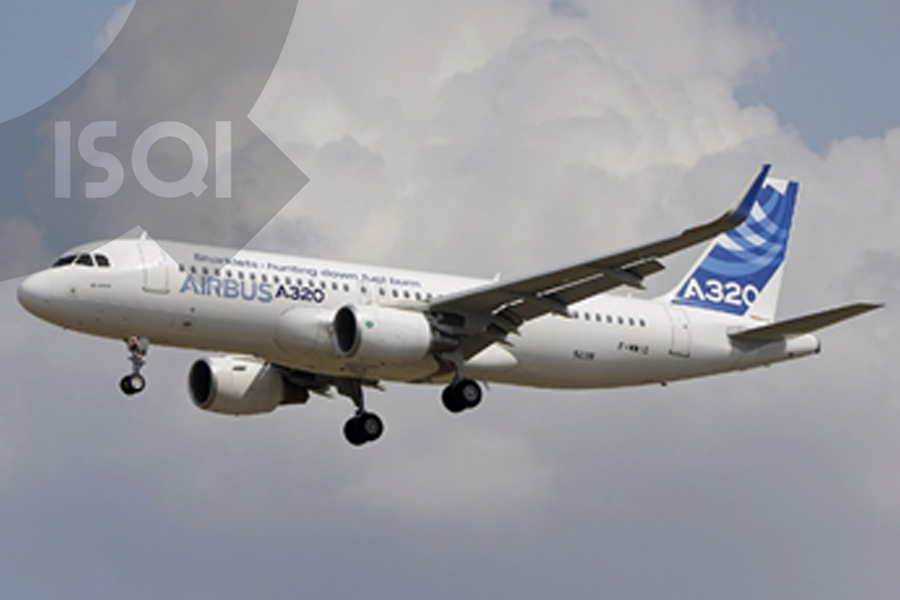
Airbus is facing another unexpected setback as a newly discovered production flaw on several dozen A320-family aircraft adds pressure to an already difficult period for the company. The flaw, traced to inconsistencies in metal fuselage panels provided by a supplier, has forced Airbus to slow parts of its final assembly operations and begin targeted inspections across affected production lines. These panels, destined for aircraft still on the assembly line or awaiting final outfitting, show variations that require immediate technical evaluation and corrective measures. Although none of the aircraft involved have entered commercial service, the discovery has disrupted Airbus’s year-end delivery momentum, compelling the manufacturer to prioritize safety reviews and precision assessments within its supply chain. The company continues to emphasize that there is no direct safety risk to passengers or to A320-family aircraft already in operation, but the issue highlights the increasing demands placed on quality control as production ramps up during a period of heightened industry scrutiny.
The timing of this discovery further complicates matters. It comes only days after Airbus completed a major software update covering nearly 6,000 A320-family jets. That patch addressed an unusual solar-radiation-related glitch that could affect certain flight-control functions—an incident that required close coordination among regulators and airline operators. In addition, some A320neo models equipped with PW1100G engines have recently faced operational restrictions in cold-weather environments due to icing concerns. When combined with the newly identified fuselage-panel defect, these issues have magnified worries among airlines and investors who view the A320 platform as the central pillar of Airbus’s commercial strategy. Analysts note that the string of disruptions reinforces the importance of strong quality control practices, particularly given the elevated output targets Airbus must meet to satisfy global demand.
From a business perspective, the setback could make it difficult for Airbus to achieve its annual delivery target. The company aimed to deliver roughly 820 aircraft this year, but with only around 657 delivered by late November, the additional inspection workload and resulting delays create obstacles that may prove insurmountable. Revised industry expectations now place the likely total at closer to 800 aircraft. Financial markets have already reacted sharply, with Airbus shares falling nearly 10 percent following the announcement of the structural issue—an indication of how sensitive investors are to any signs of production instability. For airline customers awaiting new aircraft, even short-term delays can cause cascading effects on route planning, fleet renewal schedules, and capacity management. The situation illustrates how a single manufacturing lapse, even at a supplier’s level, can disrupt a complex industrial ecosystem dependent on tightly synchronized operations.
Beyond the immediate operational and financial consequences, the incident serves as a reminder of the challenges inherent in maintaining precision across a global production network. Modern aircraft require components manufactured to extremely tight tolerances, and even small deviations can necessitate comprehensive reviews, testing, and rework. Airbus is now working to trace the source of the defect, determine its root cause, and implement corrective measures that prevent similar issues in the future. The situation also underscores the strategic importance of strengthening quality control systems, including more robust monitoring, supplier assessment, and traceability requirements. As Airbus prepares for continued high production rates and long-term fleet expansion commitments from airlines worldwide, the company’s success will depend heavily on its ability to reinforce oversight, respond transparently to disruptions, and maintain confidence among regulators and customers. Ultimately, the effectiveness of these efforts will determine how quickly Airbus can stabilize output and ensure that quality control remains a consistent strength rather than an operational vulnerability.
Source: Financial Times