

Introduction
Plastic is considered one of the most significant inventions of the twentieth century. Lightweight, inexpensive, durable, and versatile, it has become an essential material used across nearly every industry, from healthcare and transportation to packaging and manufacturing. However, these very advantages have also made plastic one of the world’s greatest environmental challenges. The mass production of plastic and the excessive use of single-use products have resulted in millions of tons of plastic waste entering nature, rivers, and oceans every year.
Observed annually on July 3, International Plastic Bag Free Day provides an opportunity for governments, non-governmental organizations, businesses, and individuals to raise awareness about the harmful impacts of plastic pollution and to take meaningful action toward reducing plastic consumption.
More than a symbolic occasion, this day serves as a reminder that small changes in our daily habits can contribute to a healthier and more sustainable future for our planet.
Why Has Plastic Become a Global Crisis?
Most plastic products, particularly single-use items, are used for only a few minutes, yet they may take hundreds of years to decompose in the natural environment. During this process, they gradually break down into tiny particles known as microplastics, which contaminate soil, freshwater, oceans, the food chain, and even the human body.
The consequences of plastic pollution include:
- The death of millions of birds, fish, and marine animals due to plastic ingestion.
- Pollution of rivers, forests, and coastlines.
- The presence of microplastics in drinking water and food.
- Increased greenhouse gas emissions associated with plastic production and disposal.
- Significant economic costs related to waste management and environmental cleanup.
Environmental experts warn that if current trends continue, the amount of plastic in the oceans could eventually rival the biomass of marine life, posing a serious threat to the health of our planet.
The Purpose of World Plastic-Free Day
The primary goal of this international observance is to gradually eliminate single-use plastics and replace them with sustainable alternatives. It seeks to promote responsible consumption while encouraging policymakers to adopt effective legislation aimed at reducing plastic production and consumption.
Its main objectives include:
- Raising public awareness of plastic pollution.
- Reducing the use of plastic shopping bags.
- Promoting a circular economy and improved recycling systems.
- Encouraging the adoption of reusable products.
- Supporting environmentally friendly packaging innovations.
What Are Different Countries Doing to Reduce Plastic Consumption?
In recent years, many countries have recognized that plastic pollution can only be addressed through strong public participation and effective policymaking. Consequently, numerous governments have introduced or planned regulations to reduce the use of single-use plastics.
- European Union: Phasing Out Single-Use Plastics
The European Union has become a global leader in combating plastic pollution. Under the Single-Use Plastics Directive, many member states have banned products such as plastic straws, cutlery, plates, cotton buds, and other disposable plastic items.
Additionally, manufacturers are required to contribute to the costs of collecting and recycling plastic waste. The EU has also established ambitious targets for increasing plastic bottle recycling rates and incorporating recycled materials into packaging production.
- Canada: Gradual Ban on High-Consumption Plastic Products
Canada has implemented policies to eliminate several single-use plastic products, including shopping bags, straws, beverage stir sticks, and plastic food containers.
The country has also invested significantly in advanced recycling technologies, circular economy initiatives, and the development of recyclable packaging materials.
- India: Tackling Plastic Pollution in a Highly Populated Nation
As one of the world’s largest consumers of plastic, India introduced a nationwide ban on many single-use plastic products in 2022.
Alongside these regulations, extensive public awareness campaigns have been launched across schools, communities, and industries to encourage the use of reusable bags and containers as part of everyday life.
- Rwanda: A Successful African Model
Rwanda is widely recognized as one of the world’s leading examples of effective plastic waste management. The country has prohibited the importation, production, and use of plastic shopping bags for many years.
Today, Rwanda’s cities are renowned for their cleanliness, and environmental experts often cite the country as a successful example of combining strict legislation with strong public participation.
- Japan: Focusing on Recycling and Social Responsibility
Japan has developed one of the world’s most advanced waste separation and recycling systems while introducing regulations to reduce plastic consumption.
Many retailers charge customers for plastic shopping bags, encouraging consumers to bring reusable shopping bags or baskets instead.
- Kenya: Among the World’s Strictest Plastic Regulations
Kenya has implemented one of the strictest plastic bag bans in the world. The production, importation, and distribution of plastic shopping bags are prohibited, with substantial fines and criminal penalties imposed on violators.
These measures have significantly reduced plastic waste in urban areas and protected many natural ecosystems.
Global Negotiations to End Plastic Pollution
In addition to national initiatives, countries around the world are working toward a legally binding international treaty aimed at ending plastic pollution. Such an agreement would establish a global framework for reducing plastic production, improving recycling systems, promoting sustainable product design, and strengthening waste management worldwide.
How Can Individuals Help Reduce Plastic Consumption?
While government policies play a crucial role, individual actions are equally important in reducing plastic waste. Everyone can contribute by adopting simple everyday practices such as:
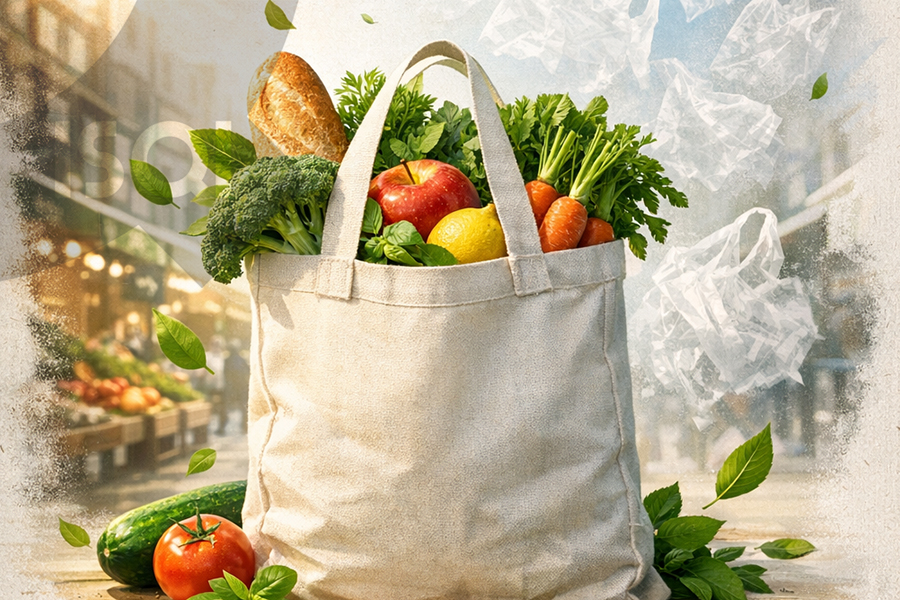
- Using reusable shopping bags.
- Carrying a reusable water bottle and coffee cup.
- Choosing reusable food containers.
- Purchasing products with minimal packaging.
- Properly separating recyclable waste.
- Avoiding unnecessary plastic products.
- Supporting brands that use sustainable packaging.
The Role of Businesses in Reducing Plastic Waste
Today, many companies recognize that corporate social responsibility extends beyond producing quality products. Replacing conventional packaging with recyclable or biodegradable alternatives, eliminating unnecessary plastic, and designing durable products are among the most effective ways businesses can reduce their environmental footprint.
Retail stores, restaurants, and service providers can also encourage sustainable consumer behavior by offering discounts to customers who bring their own reusable containers or cups.
A Plastic-Free Future: A Shared Responsibility
Achieving a world free from plastic pollution will not happen overnight. However, reducing unnecessary plastic consumption is both realistic and achievable. Experiences from countries around the world demonstrate that effective legislation, public education, industrial innovation, and active citizen participation can together create meaningful change.
World Plastic-Free Day reminds us that every daily choice matters. Whether it is carrying a reusable shopping bag or using a refillable water bottle, small actions can collectively make a significant contribution to protecting the environment. If governments, industries, and individuals each fulfill their responsibilities, we can build a cleaner, healthier, and more sustainable planet for future generations.
References
- United Nations Environment Programme (UNEP). Beat Plastic Pollution.
https://www.unep.org
- Organisation for Economic Co-operation and Development (OECD). Global Plastics Outlook: Policy Scenarios to 2060.
https://www.oecd.org/en/publications/global-plastics-outlook_aa1edf33-en.html
- European Commission. Plastics and Single-use Plastics Policy.
https://environment.ec.europa.eu/topics/plastics_en
- Our World in Data. Plastic Pollution.
https://ourworldindata.org/plastic-pollution
- Organisation for Economic Co-operation and Development (OECD). Plastics: Policies and Data.
https://www.oecd.org/en/topics/sub-issues/plastics.html