
In many drilling projects, when rig inspection is mentioned, most people immediately think of equipment condition assessments, technical testing, or inspecting various rig components. While these activities are undoubtedly essential elements of the inspection process, experience from major oil and gas projects has demonstrated that the quality of an inspection depends not only on the competence of inspectors or the tools they use, but also on the existence of a standardized and integrated process for rig inspection and acceptance.
In many cases, a drilling rig may be technically ready to begin operations, yet the absence of clearly defined procedures for equipment evaluation, document verification, and contractual compliance can significantly delay the acceptance process. When different project teams interpret contractor obligations or acceptance criteria differently, disagreements become inevitable, extending the rig commissioning schedule. Such delays not only increase project costs but can also disrupt production plans, drilling schedules, and contractual commitments between operators and contractors.
Why Does the Lack of a Standardized Process Create Problems?
Rig acceptance involves multiple stakeholders, including engineering teams, inspectors, operations personnel, HSE specialists, quality assurance professionals, and representatives of both the operator and the contractor. If each group applies different criteria for evaluating equipment or interpreting contractual requirements, inconsistent decisions and prolonged acceptance processes become unavoidable.
Under these circumstances, equipment considered acceptable by one team may be rejected by another due to incomplete documentation, expired certifications, or perceived contractual non-compliance. These discrepancies often result in repeated meetings, additional testing, and ultimately delays in commencing drilling operations. In projects where the drilling start date is critical, such delays can significantly increase operational costs, reduce project efficiency, and create financial and contractual consequences for all parties involved.
For this reason, many leading oil and gas companies now regard rig inspection not merely as a technical activity, but as an integral part of quality management, risk management, and contract management.
Rig Inspection Beyond Equipment Assessment
Recent industry studies have emphasized that effective rig inspection extends far beyond verifying the physical condition of equipment. Within a standardized inspection system, technical documentation, valid certifications, functional test results, and compliance with contractual specifications are evaluated alongside the equipment itself.
In other words, the objective is to ensure that, before operations begin, the rig is fully prepared to perform its intended mission from every perspective. In physical asset management, this concept is commonly referred to as Fit for Purpose—meaning that equipment is not only operational but also suitable, reliable, and compliant with the specific operational and contractual requirements of the project.
Standardization: The Missing Link in Many Drilling Projects
Experience from large-scale oil and gas developments indicates that a substantial portion of project delays is not caused by equipment failures. Instead, delays frequently arise from inconsistent inspection methods, varying approaches to document verification, differences in functional testing practices, and inconsistent interpretation of contractual requirements.
To address these challenges, many companies have adopted standardized rig commissioning and acceptance processes. Under this approach, every stage—including equipment inspection, document review, certification verification, functional testing, and contractual compliance assessment—is performed according to a unified and clearly defined procedure.
The principal advantage of this methodology is that all project stakeholders—including operators, contractors, inspection teams, engineering personnel, and HSE professionals—evaluate the rig using the same acceptance criteria. As a result, disagreements are minimized, decisions are reached more efficiently, and the rig acceptance process proceeds with greater confidence and consistency.
Benefits of a Standardized Rig Inspection Process
Standardizing the inspection process involves far more than creating a checklist. It establishes a systematic framework in which every stage of the inspection is traceable, documented, repeatable, and auditable. Equipment, documentation, and testing activities are evaluated using consistent criteria, while acceptance decisions are based on objective evidence rather than subjective judgment.
Key benefits include:
- Reduced delays during rig acceptance and commissioning;
- Lower Non-Productive Time (NPT);
- Improved coordination among operators, contractors, and inspection teams;
- A shared understanding of contractual requirements and acceptance criteria;
- Greater assurance that equipment complies with technical specifications and contractual obligations;
- Reduced risk of incidents resulting from equipment deficiencies or inadequate documentation;
- Lower costs associated with delayed project start-up; and
- Improved knowledge management and transfer of lessons learned to future projects.
The Critical Role of Documentation
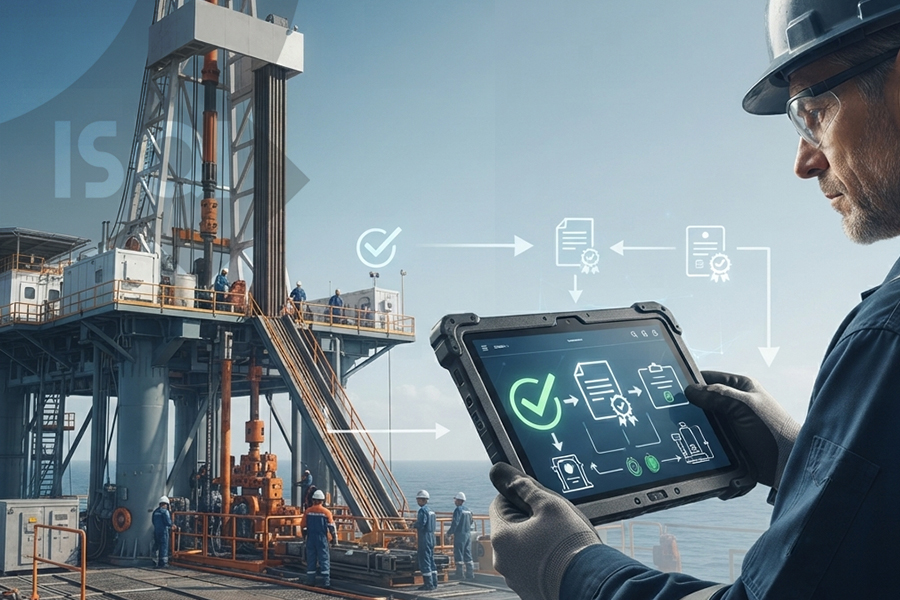
One of the most significant differences between traditional inspection practices and modern rig acceptance processes is the emphasis placed on documentation. In many projects, equipment condition alone is no longer sufficient for acceptance. Maintenance histories, functional test records, valid certifications, manufacturer documentation, and maintenance records must also be reviewed and verified.
These documents provide a comprehensive understanding of the equipment’s actual condition and enable inspection teams to base their decisions on objective, documented evidence rather than visual observations or individual experience. Such an approach reduces disputes during the acceptance process while increasing confidence and transparency among all project stakeholders.
Conclusion
Rig inspection achieves its greatest value when conducted within a standardized, transparent, and repeatable framework. Although the technical integrity of equipment remains fundamental, experience from major drilling projects demonstrates that effective coordination among stakeholders, common acceptance criteria, consistent interpretation of contractual requirements, thorough document verification, and comprehensive functional testing are equally important in reducing the hidden costs of drilling projects.
In an industry where every hour of delayed start-up can impose significant financial consequences, standardizing the rig inspection process is no longer simply a best practice—it is a strategic necessity for improving operational efficiency, reducing risk, ensuring contractual compliance, and enhancing the overall success of drilling projects.
Author: Zahra Shirband – International Relations Expert ISQI
Source: Enhanced Rig Commissioning Efficiency (https://doi.org/10.2118/230974-MS)