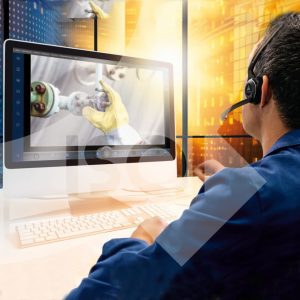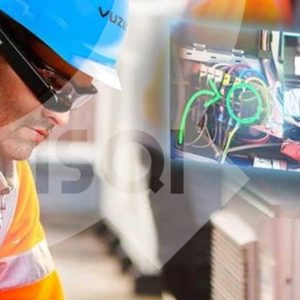


Technical inspection is a systematic process used to evaluate, examine, and verify that equipment, machinery, vehicles, or systems comply with safety, operational, and regulatory standards. It is an essential practice across multiple industries, including automotive, manufacturing, construction, and aviation, to prevent accidents, ensure efficiency, and maintain legal compliance.
The Purpose of Technical Inspection
The primary goal of technical inspection is safety and reliability. By identifying potential faults, wear and tear, or deviations from standards, technical inspections help prevent failures that could result in accidents, financial losses, or environmental hazards. Additional purposes include:
- Regulatory Compliance: Many industries are legally required to undergo regular inspections to meet local, national, or international safety standards.
- Preventive Maintenance: Detecting issues early reduces the likelihood of equipment breakdowns, saving time and maintenance costs.
- Quality Assurance: Ensuring that systems or products operate correctly maintains customer trust and meets industry benchmarks.
- Operational Efficiency: Well-maintained equipment runs more efficiently, reducing energy consumption and increasing productivity.
Types of Technical Inspection
Technical inspections can vary depending on the context, but they generally fall into the following categories:
- Vehicle Inspection: This ensures that cars, trucks, or public transport vehicles meet safety standards, such as brakes, lights, emissions, and structural integrity.
- Industrial Equipment Inspection: Machinery and tools are checked for defects, wear, or misalignment to ensure they operate safely and effectively.
- Construction Site Inspection: Buildings, scaffolding, and structural systems are examined to confirm compliance with engineering standards and safety codes.
- Electrical and Mechanical Inspection: Systems such as electrical grids, HVAC units, and pipelines are monitored to prevent malfunctions or hazards.
The Process of Technical Inspection
Technical inspection typically involves several key steps:
- Preparation: Review of technical documentation, regulations, and previous inspection reports.
- Visual Examination: Inspectors look for visible damage, corrosion, leaks, or abnormal wear.
- Functional Testing: Equipment or systems are operated under controlled conditions to evaluate performance.
- Measurement and Analysis: Parameters such as pressure, voltage, temperature, or emissions are measured against standard thresholds.
- Reporting: Findings are documented, and recommendations for repairs, replacements, or upgrades are provided.
Tools and Techniques
Modern technical inspections often use specialized tools and technologies, including:
- Non-destructive testing (NDT) techniques, such as ultrasound, X-ray, or magnetic particle inspection.
- Sensors and digital monitoring systems for real-time diagnostics.
- Software for tracking inspection schedules and compliance records.
Importance in Today’s World
With increasingly complex machinery and strict safety regulations, technical inspection has become more than just a regulatory requirement—it is a critical component of risk management. Regular inspections protect human lives, reduce environmental risks, and improve operational reliability. For businesses, they also minimize liability and reinforce a culture of safety and accountability.
Conclusion:
Technical inspection is a proactive approach to maintaining safety, quality, and efficiency across industries. By systematically checking equipment, vehicles, and systems, it prevents failures, ensures compliance, and promotes sustainable operations. In a world where technology and machinery play a central role, technical inspection is not just a necessity—it’s a responsibility.
Zahra shirband