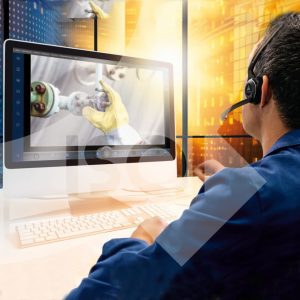


Quality control (QC) is one of the most essential components of modern business operations, ensuring that products and services consistently meet customer expectations, regulatory requirements, and industry standards. Before diving deeper into QC, it is important to understand how it differs from quality assurance (QA). While QA focuses on preventing defects by improving processes, QC focuses on detecting and correcting defects in finished products or services. In simple terms, QA is proactive and process-oriented, while QC is reactive and product-oriented. Together, they form the foundation of an effective quality management system.
Whether in manufacturing, software development, food production, healthcare, or service industries, QC provides the structure needed to monitor output, identify problems, and safeguard reliability. As global competition increases and consumers demand better performance, organizations must invest in robust quality control systems to remain competitive.
What Is Quality Control?
Quality control refers to the systematic process of inspecting, testing, and verifying that products or services comply with predetermined quality standards. These standards may be set internally, defined by industry regulations, or based on customer expectations. QC’s primary function is reactive—identifying defects and ensuring that only acceptable products reach the end user.
QC takes place at various stages of production: raw material inspection, in-process evaluation, and final product checks. Through measurement, inspection, and verification, QC ensures consistency, safety, and reliability.
The Importance of Quality Control
Quality control influences nearly every aspect of organizational success.
- Product Consistency
QC ensures uniform product quality, which helps build customer trust and brand loyalty. In competitive markets, consistent performance can be the deciding factor for repeat purchases.
- Cost Reduction
Detecting defects early prevents expensive consequences such as rework, returns, scrap, warranty claims, and product recalls.
- Regulatory Compliance
Industries such as pharmaceuticals, aerospace, medical devices, food and beverage, and automotive must follow strict safety and quality regulations. Effective QC systems help organizations avoid legal liabilities and maintain certifications like ISO 9001, GMP, or HACCP.
- Supports Process Improvement
Defect data, trend analysis, and customer feedback reveal opportunities for improving processes, materials, and workforce training.
- Enhances Reputation
Brands recognized for high quality maintain stronger market positions and enjoy positive customer perception, while poor QC can damage reputation and long-term profitability.
Common Methods of Quality Control
Organizations use various QC methods depending on their processes, product types, and required standards.
- Inspection
Manual or automated examination of materials, components, or finished goods to detect defects. Inspections may occur at incoming, in-process, or final stages.
- Statistical Quality Control (SQC)
Uses statistical methods to assess process performance. Techniques include:
- Control charts (SPC)
- Sampling plans
- Capability analysis (Cp, Cpk)
- Six Sigma
A data-driven methodology aiming for near-perfect quality. Six Sigma follows the DMAIC framework—Define, Measure, Analyze, Improve, Control.
- Total Quality Management (TQM)
A company-wide philosophy focusing on continuous improvement, customer satisfaction, and employee involvement. QC serves as a key component of this broader approach.
- Quality Audits
Formal examinations of processes, systems, or products to evaluate compliance and identify improvement areas.
- Sampling
A cost-effective method where only a portion of the product is tested. Suitable for high-volume production environments.
- QC Tools and Diagrams
Common tools include:
- Check sheets
- Pareto charts
- Cause-and-effect (Ishikawa) diagrams
- Control charts
These provide structured ways to analyze quality issues and guide decision-making.
Modern QC Technologies
(Added section)
Advancements in technology have transformed traditional quality control practices. Modern QC integrates digital tools that increase accuracy, speed, and scalability.
- Machine Vision Systems
High-resolution cameras and sensors automatically detect defects, measure dimensions, check labels, and ensure product uniformity at speeds beyond human capability.
- Artificial Intelligence (AI) and Machine Learning
AI models analyze production data and images to detect anomalies, predict failures, and reduce false positives. Machine learning improves accuracy as it learns from new data.
- Internet of Things (IoT) Sensors
IoT-enabled devices collect real-time data on temperature, pressure, vibration, and other critical parameters. This allows for continuous monitoring and early detection of process deviations.
- Automated Robotics
Robots can perform repetitive inspections with high precision, improving consistency and reducing human error in QC tasks.
- Digital Twins
Digital twins simulate products or processes, enabling virtual testing and real-time quality predictions before physical issues occur.
These technologies enhance the speed, reliability, and data richness of QC, supporting smarter decision-making and more efficient operations.
Conclusion
Quality control remains a vital element of organizational success, ensuring that products and services align with standards, customer expectations, and regulatory requirements. By detecting defects early, QC reduces costs, enhances efficiency, and builds customer trust. The integration of modern technologies—such as machine vision, AI, IoT sensors, and digital twins—further strengthens QC capabilities and supports continuous improvement. As industries evolve and customer expectations rise, effective quality control will remain a cornerstone of operational excellence and long-term competitiveness.