
Inspection is one of the essential management tools used to ensure proper implementation of laws, standards, and programs within organizations and societies. Under normal circumstances, inspections are mainly conducted to prevent violations, improve performance quality, and enhance productivity. However, inspection in crisis conditions – such as natural disasters, industrial accidents, widespread epidemics, or economic emergencies – the importance of inspection becomes significantly greater. In such situations, decisions are made more rapidly, resources are more limited, and the likelihood of errors or misuse increases. Therefore, having an effective inspection system can play a vital role in maintaining order, protecting public health, and ensuring the proper use of resources.
One of the most important reasons inspection in crisis conditions is the increased speed of decision-making and execution. In emergencies, managers and authorities must make decisions quickly and take immediate action. This high speed can increase the chances of mistakes or overlooking certain regulations. Active involvement of inspection bodies can prevent major errors in decision – making and implementation through continuous monitoring and fast feedback, helping to adjust processes promptly.
Another key factor is the proper management of limited resources in crisis situations. In many crises – such as floods, earthquakes, or pandemics – resources like medicine, food, relief supplies, and emergency funds are rapidly allocated across different regions. Under such circumstances, the risks of mismanagement, waste of resources, or even administrative corruption increase. Accurate inspection ensures that these resources are distributed fairly and according to the actual needs of affected areas. This not only improves the efficiency of relief operations but also strengthens public trust in responsible institutions.
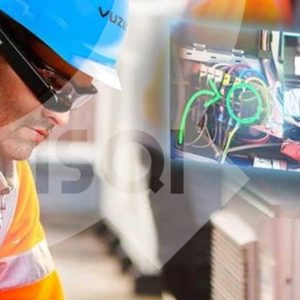
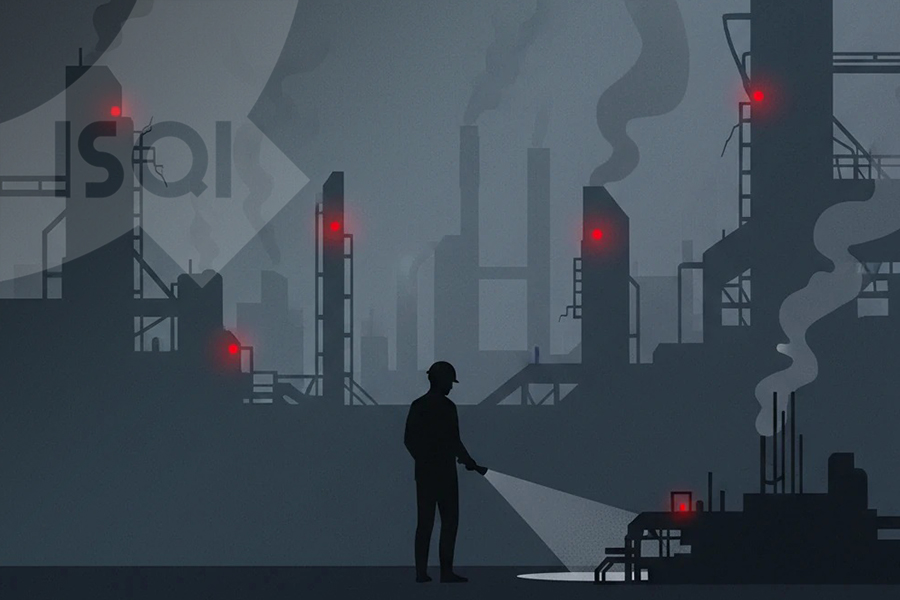
Additionally, ensuring public safety and health is another important reason why inspection becomes vital during in crisis condeitions. For example, during the outbreak of infectious diseases, adherence to health standards in medical centers, factories, and public places is crucial. Inspectors, by monitoring the implementation of safety and health protocols, can prevent the spread of the crisis. In industrial or construction-related incidents, strict oversight of safety standards can prevent secondary accidents and save more lives.
Moreover, during crises, psychological and social pressure on managers and employees increases. This pressure may reduce the accuracy in performing tasks or lead to the neglect of certain regulations. Effective inspection not only serves as a control mechanism but can also act as a supportive tool, as it helps managers identify problems and provides corrective solutions, enabling them to make better decisions.
Finally, inspection plays a significant role in organizational transparency and accountability during crises. Crises often attract extensive media and public attention, and people expect government actions and organizational measures to be conducted transparently. Inspection reports can demonstrate that the actions taken were aligned with the law and public interest. This transparency strengthens public trust and reduces rumors and social anxiety.
Overall, although inspection is essential during normal circumstances to maintain order and efficiency within organizations, its importance increases dramatically during crises. Close monitoring of decisions, resource management, public safety, and transparency highlights how an efficient inspection system can be a determining factor in successful crisis management.
Author: Zahra Shirband – International Relations Expert ISQI
Sources:
- Mitroff, I. I., & Anagnos, G. (2001). Managing Crises Before They Happen. AMACOM.
- Coombs, W. T. (2015). Ongoing Crisis Communication: Planning, Managing, and Responding. Sage Publications.
- Alexander, D. (2002). Principles of Emergency Planning and Management. Oxford University Press.
- National Disaster Management Organization of Iran (2021). Principles and Foundations of Crisis Management in Iran.
- UNDRR – United Nations Office for Disaster Risk Reduction. (2021). Disaster Risk Management Framework.