

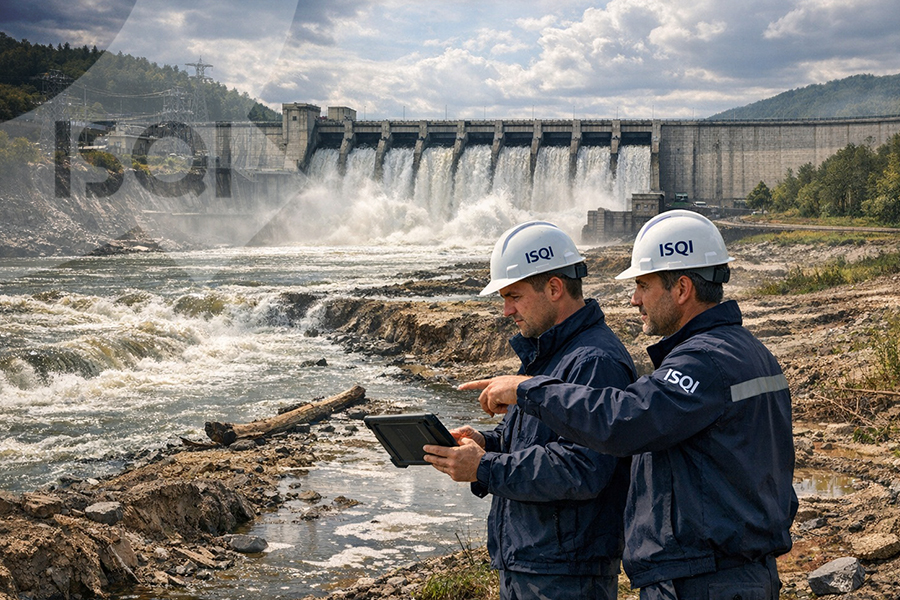
Examining the Environmental Consequences of Mega-Projects
In recent decades, massive infrastructure projects—especially large dams—have been presented as symbols of economic development and water resource management. Many countries have turned to large-scale dam construction to generate hydropower, control floods, and secure water for agriculture. However, alongside the expansion of these projects, serious concerns have emerged regarding their environmental and social impacts. Some researchers and environmental activists have even raised the question of whether certain dam projects could fall within the concept of “ecocide,” or the widespread destruction of ecosystems.
Ecocide refers to severe, widespread, or long-term environmental destruction—damage that fundamentally impairs an ecosystem’s ability to sustain life. In recent years, the concept has gained prominence in international environmental law debates, and some legal scholars have proposed recognizing ecocide as an international crime alongside genocide and crimes against humanity. Within such a framework, activities that result in extensive and irreversible environmental destruction may be subject to scrutiny.
Large dams are often central to this debate due to the scale of their intervention in natural systems. Constructing a major dam typically involves a fundamental alteration of a river’s natural flow, the creation of vast reservoirs, and the submergence of extensive natural and human landscapes. These changes can profoundly transform the structure and functioning of riverine ecosystems and their surrounding environments.
One of the most significant environmental consequences of large dams is the alteration of natural flow regimes. Rivers are dynamic systems in which seasonal flow cycles play a crucial role in maintaining biodiversity. By artificially regulating water flow, dams disrupt these natural cycles. The reduction of natural floods can lead to the degradation of downstream wetlands, decreased soil fertility in agricultural lands, and the loss of habitats for numerous aquatic species and birds.
Another major impact is the disruption of aquatic species migration. Many fish species require movement along rivers to reproduce. Dams block these migratory routes and, in many cases, have caused dramatic population declines or even local extinctions. In numerous rivers around the world, including in North America and Asia, the decline of migratory fish populations has been directly linked to the construction of large dams.
In addition, dam reservoirs often submerge forests, grasslands, and other natural habitats. The creation of a large reservoir can flood thousands of hectares of ecosystems. This not only results in biodiversity loss but can also release significant amounts of carbon stored in vegetation and soils. Some studies indicate that reservoirs in tropical regions may even become sources of greenhouse gas emissions, particularly methane.
Dam construction also has important consequences for sediment transport. Naturally, rivers carry sediments from upstream to downstream areas. Dams trap these sediments in their reservoirs, leading to sediment deficits downstream. This phenomenon can cause coastal erosion, reduced fertility of floodplains, and even the retreat of river deltas. In several major deltas worldwide, reduced sediment supply due to dam construction has been identified as a key factor exacerbating coastal degradation.
Despite these impacts, not all large dams are necessarily considered instances of ecocide. Many experts argue that such a determination requires case-by-case assessment, taking into account the scale of destruction and the possibility of mitigating environmental damage. In some projects, rigorous environmental impact assessments, fish passages, environmental flow management, and the protection of alternative habitats can help reduce negative effects.
On the other hand, proponents of dam construction emphasize its economic and social benefits. Hydropower generation, which constitutes a significant portion of the energy mix in many countries, generally produces lower carbon emissions compared to fossil fuels. Dams can also play a vital role in water storage in arid regions and in controlling destructive floods. Therefore, the central challenge lies in balancing development needs with environmental protection.
In recent years, new approaches to water resource management have emerged that seek to reduce dependence on large dams. These approaches include river restoration, integrated watershed management, the expansion of alternative renewable energy sources, and the use of smaller, lower-impact infrastructure. In some countries, the process of “dam removal” has even begun in order to restore natural river flows.
Ultimately, the question of whether large dam projects can constitute ecocide does not have a simple or universal answer. However, it is clear that in cases where dam construction results in widespread, long-term, and irreversible ecosystem destruction, such projects may fall within the scope of ecocide-related debates. The future of water resource management will likely move toward solutions that minimize interference with natural systems while still meeting human needs.
Sources:
- International Rivers. (2021). *The State of the World’s Rivers and Dams*.
- World Commission on Dams. (2000). *Dams and Development: A New Framework for Decision-Making*. Earthscan.
- Gleick, P. (2019). *The World’s Water: The Biennial Report on Freshwater Resources*. Island Press.
- International Panel of Experts on Ecocide. (2021). *Independent Expert Panel for the Legal Definition of Ecocide*.
- McCully, P. (2001). *Silenced Rivers: The Ecology and Politics of Large Dams*. Zed Books.
- Richter, B. et al. (2010). “Lost in Development’s Shadow: The Downstream Human Consequences of Dams.” *Water Alternatives Journal*.