
Private Sector Steps Toward Achieving the $10 Billion Iran–Pakistan Trade Vision
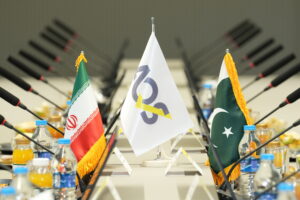
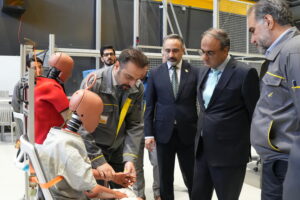
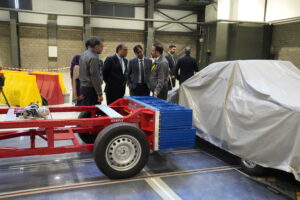
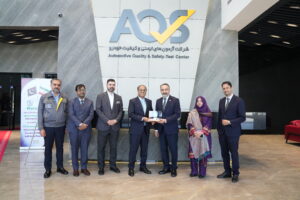
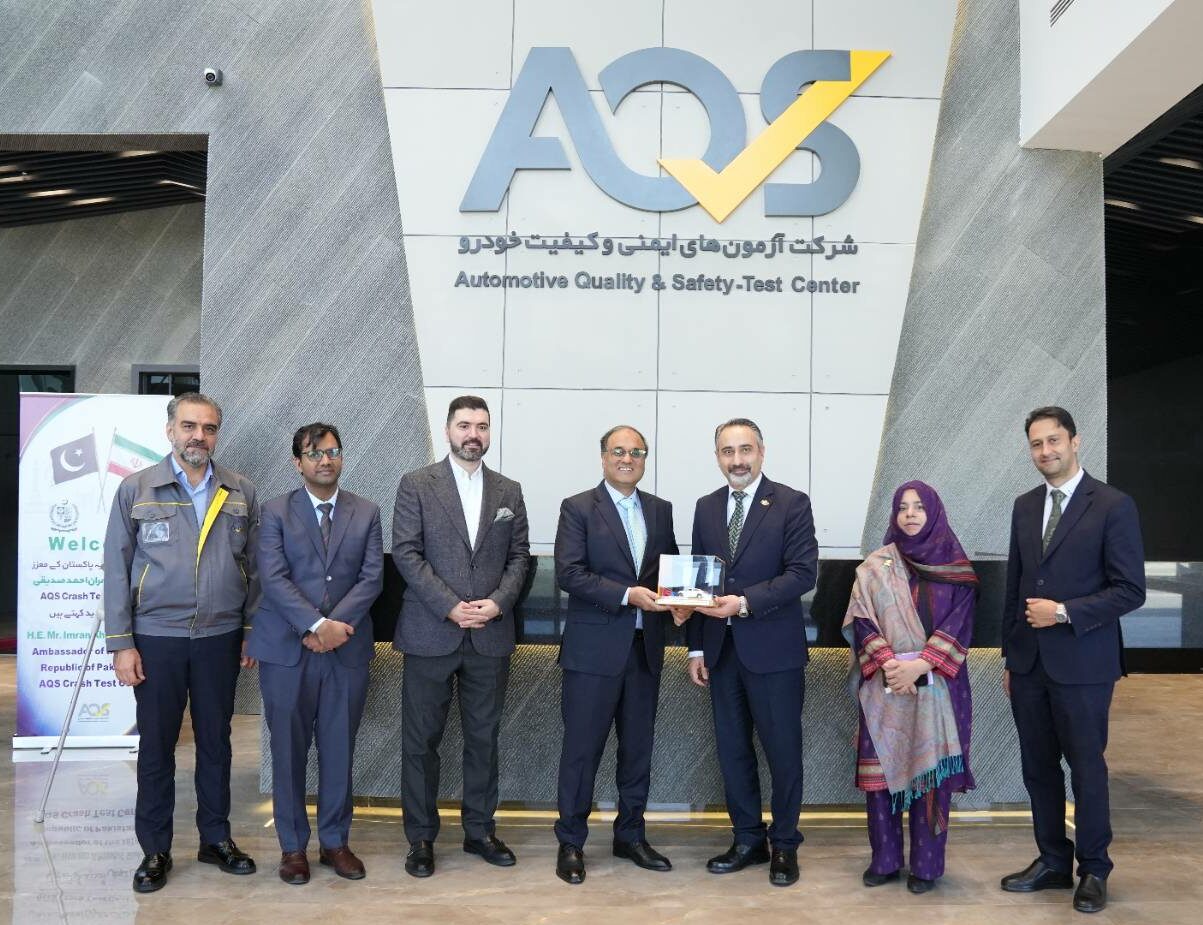
Automotive Quality & Safety Test Center (AQS), the only and largest vehicle crash testing center in Iran and the Middle East, hosted the Ambassador of Pakistan and his accompanying delegation.
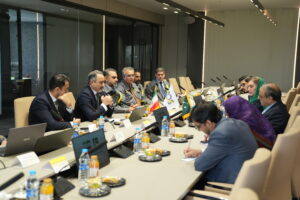
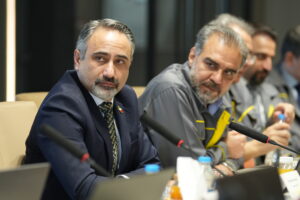
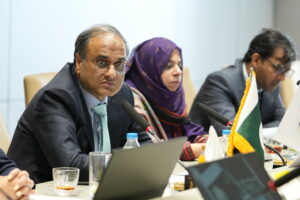
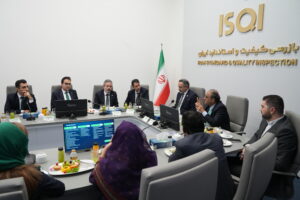
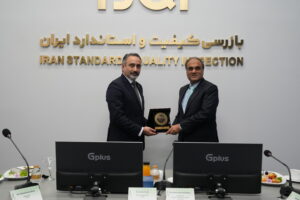
The visit took place following the visit of an Iranian business delegation to Pakistan the previous month, at the official invitation of Saeed Tajik, CEO and Chairman of the Board of Directors of Iran Standard and Quality Inspection Company (ISQI), and in the presence of Hesameddin Hallaj, Deputy for International Affairs and Trade Development at the Tehran Chamber of Commerce. At the beginning of the meeting, Saeed Tajik welcomed the Pakistani delegation and described the vehicle crash test center as the only and largest facility of its kind in Iran. He stated:
“This center was established through full private-sector investment, with ISQI holding a majority stake, and was launched last year as part of efforts to reduce fatalities caused by road accidents.”
Referring to the significant number of road accidents in Pakistan, he also discussed potential areas of cooperation with Pakistani automakers and automotive parts manufacturers in crash testing, as well as collaboration with the Pakistan Standards Organization, as a potential area of mutual business opportunity between the two countries.
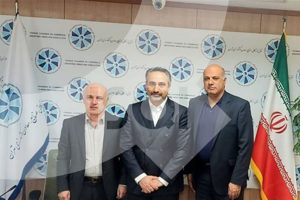
Hesameddin Hallaj described the meeting as a valuable opportunity to establish cooperation between the two countries and expressed optimism about interaction between Iranian and Pakistani companies. Referring to Iran Expo 2026, which will be held in November, he also announced the Tehran Chamber of Commerce’s readiness to facilitate the participation of a Pakistani business delegation in the event, providing them with an opportunity to visit the crash test center and explore potential business cooperation.
During the meeting, Imran Ahmed Siddiqui, Ambassador of Pakistan to the Islamic Republic of Iran, described the crash test center as a successful example of Iran’s private sector and expressed his appreciation for the opportunity to visit the facility.
In response to the proposals regarding bilateral cooperation in the automotive sector, the Pakistani ambassador also discussed assessing the conditions and feasibility of cooperation, as well as holding webinars and online training sessions for automakers and automotive parts manufacturers in the Pakistani market.
Referring to the current circumstances and existing political limitations, Imran Ahmed Siddiqui stated:
“Given the current circumstances, we can begin this cooperation by preparing and signing an initial agreement. We hope that conditions will move in a direction that will allow us to establish the necessary infrastructure and expand this cooperation as soon as possible.”
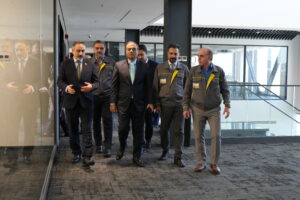
The Pakistani delegation subsequently toured all sections and facilities of the crash test center. At the conclusion of the visit, a mandatory COP (Conformity of Production) frontal impact test was conducted on one of the vehicles produced in the country, in the presence of a representative of the National Standards Organization of Iran. The results will be made available to the automaker and the organization following analysis.
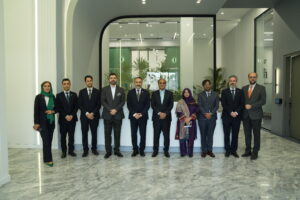
As part of the visit, the Pakistani delegation also visited ISQI’s Sarv Building, home to the country’s largest contact center. During the visit, the center’s extensive capabilities—including the capacity to collect up to 8 million questionnaires annually and operate 280 active contact-center stations—were introduced. The parties also discussed market research, GMP, and technical inspection services that could be provided to Pakistani companies, as well as potential ways to address existing barriers to cooperation.
The visit concluded with a tour of ISQI’s contact center by the Ambassador of Pakistan and his delegation, accompanied by the Deputy for International Affairs and Trade Development at the Tehran Chamber of Commerce.
It is worth noting that crash tests such as R94, 95, and 34 have recently become mandatory in Pakistan. The visit was therefore organized to explore the possibility of Pakistani automakers and automotive parts manufacturers utilizing Iran’s crash testing capabilities.