
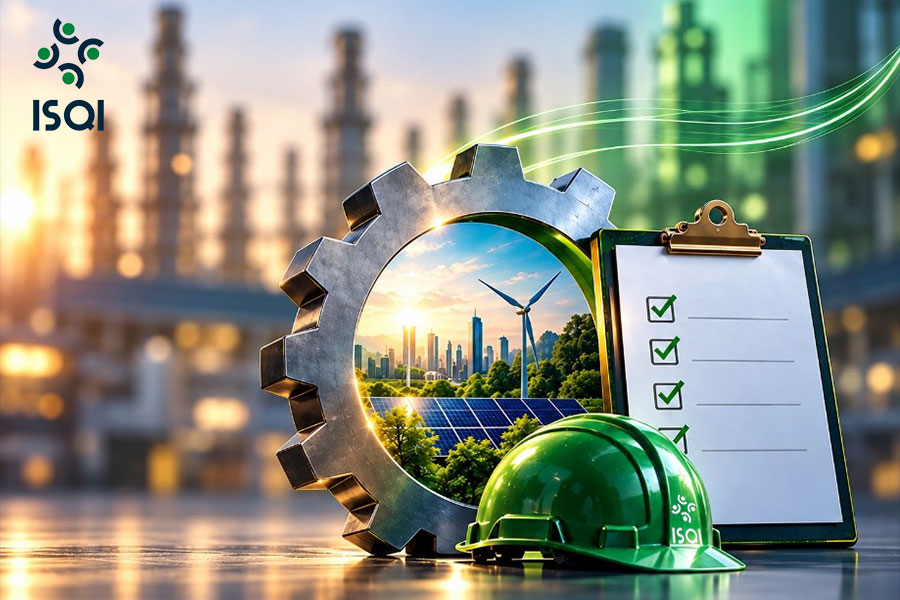
As the world celebrates World Standards Day, this year’s theme— “Affordable and Clean Energy”—transcends mere environmental advice; it is a strategic imperative for our economic and social survival. In a world where the dynamics of power are shifting from raw resources toward “efficiency,” standardization is the ultimate shortcut to achieving sustainable development.
The Imbalance Crisis: An Economic Red Flag
Today, we confront the harsh reality of “Energy Imbalance.” The widening gap between energy supply and demand not only threatens the stability of industrial production but also imposes massive hidden economic costs on our national system. Every unit of energy wasted in production or distribution due to a lack of consumption standards is a direct loss to our national budget and industrial competitiveness. Imbalance essentially means utilizing precious resources to produce energy that is ultimately lost to inefficiency.
Standards: A Shield Against Global Trade Barriers
Furthermore, the issue of greenhouse gas emissions and an increasing carbon footprint is no longer just an environmental concern; it has become a “trade barrier.” With the emergence of stringent global regulations, such as the Carbon Border Adjustment Mechanism (CBAM), products manufactured through carbon-intensive and non-standardized processes will find themselves locked out of developed markets. Our current global standing in sustainability indices indicates that if we do not rapidly transition toward energy management standards and clean energy, our industries will face inevitable exclusion from the global trade cycle.
The Role of Auditing: From Supervision to Driving Transformation
In this context, the role of the Auditing Society and standardization bodies goes far beyond simple oversight. Auditing acts as the “true mirror” for industries. By identifying energy leakage points and analyzing consumption patterns, auditors pave the way for management to implement corrective actions. We must evolve from traditional auditing—which focuses solely on regulatory compliance—toward “Value-Based Auditing.” This approach seeks to uncover opportunities for energy savings, efficiency gains, and emission reductions within the heart of industrial processes.
Conclusion
The transition to affordable and clean energy is not an option; it is a necessity for maintaining economic sovereignty and environmental health. By leaning on international standards and strengthening the culture of auditing, we can transform imbalance into efficiency and pollution into purity. The future of our industries depends on this transformation: we either standardize our way toward clean energy, or we succumb to the escalating costs of inefficiency and international trade restrictions.

Saeed Tajik
CEO and chairman of the Borad