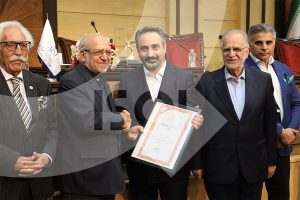


This year’s National Export Day slogan, “Smart Trade, Export-Oriented Production,” reflects a shift from traditional trade toward trade based on data, quality, and technology. Achieving this slogan is only possible when the country’s production and exports are grounded in accurate information, global standards, and a robust quality assessment system. In this context, testing, inspection, and the issuance of the CE certificate play a key and decisive role in shaping this smart trade structure.
What is the concept of smart trade?
Smart trade refers to the use of knowledge, data, technology, and scientific analysis to make decisions throughout business processes. In other words, all stages of the value chain—from selecting raw materials and quality control to understanding target markets and managing risks—are carried out based on real information and technical analysis, rather than on guesswork or traditional experience.
In smart trade, tools such as information systems, market data analytics, digital technologies (like the Internet of Things and blockchain), and testing and inspection reports serve as the decision-making “brain.” This information helps exporters better understand the needs of global markets, produce products that comply with destination standards, and prevent resource waste and the risk of product returns.
In other words, smart trade means turning data and knowledge into decisions—decisions based on market realities and product quality.
The Link Between Testing and Inspection and Smart Trade
In the pursuit of smart trade, testing and inspection act as the “watchful eye” and the “language of trust.” Test results and inspection certificates provide real data on product quality, safety, and compliance with global standards. For manufacturers and exporters, this information serves not only as a tool for quality control but also as a guide for continuous product improvement.
At the international level, recognized inspection certificates such as the CE mark represent transparency and reliability. Foreign customers make purchasing decisions based on these documents, and the reputation of Iranian brands in global markets is established. As a result, every precise testing and inspection process becomes an investment in strengthening trust and enhancing the country’s export competitiveness.
Summary
Today, testing and inspection institutions are not merely technical overseers for issuing the CE certificate; they are strategic partners in production and exports. By generating and analyzing quality data, they create the foundation for smarter decision-making, the enhancement of national standards, and the development of sustainable exports.
The true realization of the slogan “Smart Trade, Export-Oriented Production” depends on viewing testing and inspection not as an incidental cost, but as a national investment in the future of the country’s exports—an investment that ensures quality, enables intelligent decisions, and sustains trade.
Azadeh Entezari – PR managment