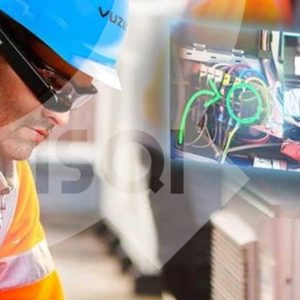

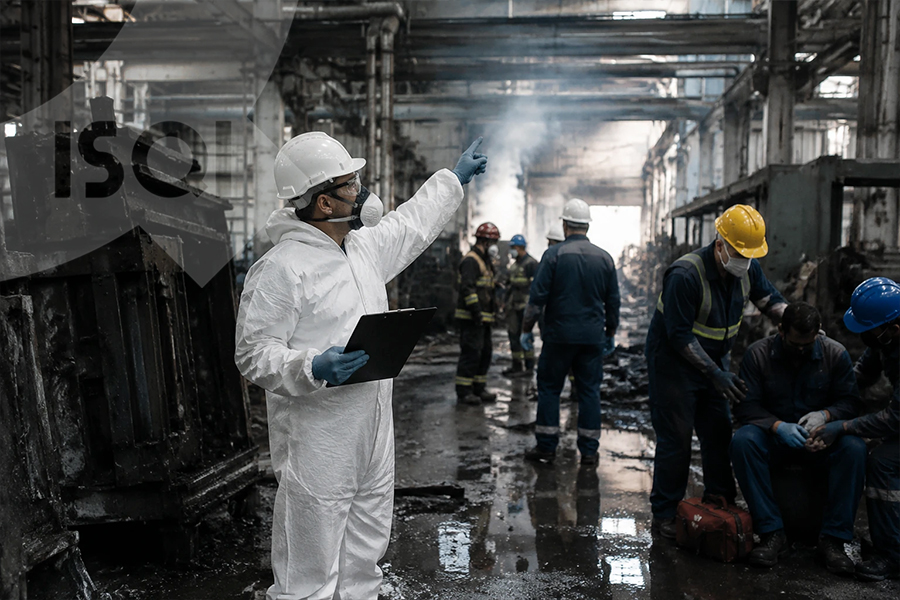
Crises and unexpected events such as earthquakes, fires, floods, industrial explosions, or hazardous material leaks pose serious threats to employees’ lives and the continuity of organizational operations. In such situations, employee safety inspection and quality control is one of the most critical managerial actions for risk reduction, accident prevention, and protection of human resources. These inspections consist of planned measures aimed at identifying hazards, assessing workplace conditions, and ensuring compliance with safety standards during a crisis.
One of the main objectives of safety inspections during crises is the rapid identification of potential and existing hazards . During an emergency, the work environment may undergo sudden changes; for example, earthquakes can cause structural damage, equipment failure, or disruption of safety systems. Safety inspectors must promptly examine buildings, machinery, emergency exits, and fire detection and suppression systems to ensure that the environment remains safe for employees. Such inspections help control or eliminate risks before they escalate into more severe incidents.
Another important aspect of safety inspection in crisis conditions is assessing the health status and preparedness of employees . During emergencies, some workers may suffer from physical injuries, severe stress, or psychological shock. Therefore, safety teams should evaluate employees’ health conditions and provide first aid or immediate medical assistance when necessary. It is also essential to ensure that employees are properly using personal protective equipment (PPE) such as helmets, masks, gloves, and protective clothing.
Evaluating the effectiveness of crisis management plans is also a key component of quality control and safety inspections. Many organizations have emergency response plans, but their real effectiveness becomes evident only during actual implementation. Safety inspections conducted during crises can reveal whether emergency evacuation routes are adequate, whether employees have received sufficient training, and whether safety equipment is functioning properly. The findings of these evaluations help organizations improve their crisis management plans for future emergencies.
Moreover, documentation and reporting of safety inspections are of great importance. Accurate recording of identified hazards, corrective actions taken, and the overall safety status of employees enables managers to make informed decisions for controlling the ongoing crisis. These reports not only support current emergency management but also serve as valuable resources for future training and prevention of similar incidents.
In conclusion, safety inspection of employees during crisis situations plays a vital role in protecting human lives, reducing losses, and enhancing organizational resilience . Organizations that implement systematic quality control and safety inspection systems, provide appropriate training, and maintain effective crisis management plans are better prepared to respond to unexpected events and minimize widespread damage.
Author: Zahra Shirband – International Relations Expert ISQI
Sources:
- Occupational Safety and Health Administration (OSHA). Guidelines for Workplace Emergency Preparedness and Response .
- International Labour Organization (ILO). Safety and Health at Work: A Vision for Sustainable Prevention .
- Sadeghi, K. Occupational Safety and Health .
- National Crisis Management Organization. Guidelines for Safety Management in Emergency Situations .
- Goetsch, D. L. (2019). Occupational Safety and Health for Technologists, Engineers, and Managers . Pearson.